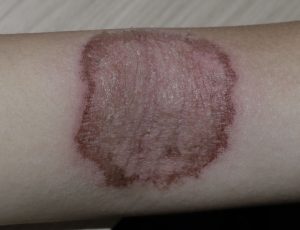
How Qi Deficiency Manifests in the Skin: From Pallor to Poor Healing
Introduction
In Traditional Chinese Medicine (TCM), Qi is regarded as the life force that circulates throughout the body. This vital energy supports both physical functions and emotional balance. When Qi flows harmoniously, it nourishes the organs, promotes circulation, and gives the skin a healthy, radiant appearance. However, when Qi becomes deficient or stagnant, the imbalance can manifest externally, often seen as changes in skin tone, texture, or healing ability.
This article explores how Qi deficiency manifests in the skin and what these signs reveal about the body’s overall vitality. Understanding these connections can help individuals recognise early signs of imbalance and seek holistic ways to promote healthier skin from within.
Key Takeaways:
- What Is Qi Deficiency and Why Does It Matter?
In TCM, Qi deficiency refers to a lack of vital energy that disrupts the body’s internal balance. This affects organ function, emotional stability, and the body’s ability to nourish and protect the skin.
- How Does Qi Deficiency Show on the Skin?
It often becomes visible through pallor, dryness, itchiness, or delayed healing. These outward signs reflect weakened energy flow and reduced nourishment reaching the skin tissues.
- Which Skin Conditions Are Linked to Qi Deficiency?
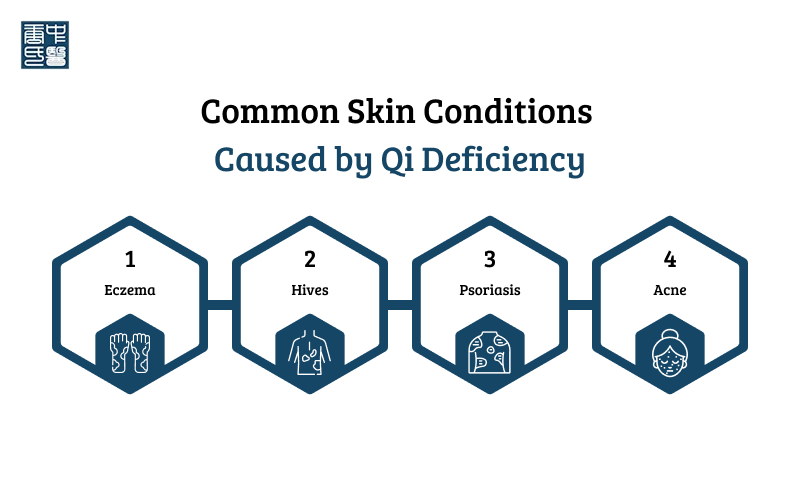
Eczema, hives, psoriasis, and acne are commonly associated with Qi deficiency, as it disrupts blood and fluid circulation. These conditions may be the outcomes of imbalances in meridian energy flow and immune regulation.
- How Do TCM Practitioners Identify Qi Deficiency?
Practitioners diagnose the condition through pulse and tongue analysis and by observing patterns such as fatigue, weak digestion, and frequent colds. They recognise that skin problems often signal deeper systemic imbalances.
- How Can Qi Deficiency Be Restored for Healthier Skin?
Rebalancing the deficiency involves herbal therapy using Qi-tonifying herbs, nourishing foods, and lifestyle practices like Qi Gong or Tai Chi. These support better circulation, immune function, and long-term skin resilience.
Overview: Qi Deficiency in Traditional Chinese Medicine (TCM)
What Does Qi Mean?
In TCM, Qi is described as the vital energy that sustains life and supports the body’s physiological and emotional functions. It flows through the meridians, or energy channels, maintaining the smooth operation of essential systems such as digestion, circulation, immunity, and emotional regulation. Qi is also linked to mental and spiritual vitality, influencing how individuals respond to physical and emotional stress.
Qi works in tandem with the principles of yin and yang, forming the foundation of balance in the body. When Qi is abundant and flows freely, harmony between yin and yang is maintained, supporting general health and a sense of well-being.
What Is Qi Deficiency?
Qi deficiency refers to a state in which the body lacks sufficient vital energy to function optimally. In TCM, this condition is often linked to the spleen, which helps generate and distribute Qi from the food and drink consumed. When there is spleen Qi deficiency, the body’s ability to nourish, protect, and repair itself becomes compromised.

Individuals with deficient Qi may experience a range of symptoms that affect both physical and emotional health. Common signs include fatigue, poor digestion, frequent colds or infections, shortness of breath, and low motivation. On a psychological level, Qi deficiency may also contribute to mental fog, difficulty concentrating, and a subdued mood.
How Qi and Skin Health are Related
From a TCM perspective, Qi influences not only internal organ function but also the condition of the skin. Qi deficiency can manifest in the skin through pallor, dryness, dullness, or slow wound healing. These signs are often seen as external reflections of internal imbalance.
In TCM for skin health, Wei Qi (defensive energy) is viewed as a barrier that guards against external irritants and pathogens. When Qi is deficient, this defensive function weakens, making the skin more susceptible to irritants and infections. Over time, this can contribute to chronic or relapsing conditions such as eczema.
Modern biomedical studies have begun to explore these traditional concepts. Research indicates that individuals with Qi deficiency may exhibit reduced immune activity, such as decreased macrophage function and lower lymphocyte proliferation. Both are important for fighting inflammation and maintaining skin integrity. Additionally, Qi deficiency has been associated with imbalances in gut microbiota and reduced anti-inflammatory bacterial populations, factors known to influence immune health and skin conditions.
In eczema, immune dysregulation plays a central role, particularly through Th2-dominant inflammation and a weakened skin barrier. TCM approaches that aim to strengthen Qi have shown potential to help restore immune balance and improve skin barrier function, reducing flare-ups and promoting recovery over time.
How Qi Supports Skin Health
In TCM for skin problems in Singapore, Qi is viewed as the foundation of healthy skin. It supports circulation, defence, and repair. When Qi flows freely, the skin reflects vitality and harmony. When deficient, the skin often reveals signs of exhaustion, imbalance, and diminished resilience.
1. Blood Flow and Nourishment
Adequate Qi ensures smooth circulation, delivering oxygen and nutrients that keep the skin hydrated and radiant.
2. Defence Against Pathogens
Strong Qi supports Wei Qi, the body’s outer defence system, helping the skin resist environmental irritants and infections.
3. Repair and Healing
Qi provides the energy needed for tissue repair, allowing wounds, inflammation, or irritation to resolve more efficiently.
TCM Diagnosis: Restoring Qi for Healthier Skin
What are the Visible Signs of Qi Deficiency in the Skin?
TCM views the skin as a window into the body’s internal harmony and vitality. When Qi becomes deficient, this imbalance often shows up through visible changes in complexion, texture, and sensitivity. The following signs may indicate that the body’s energy flow is not functioning optimally.
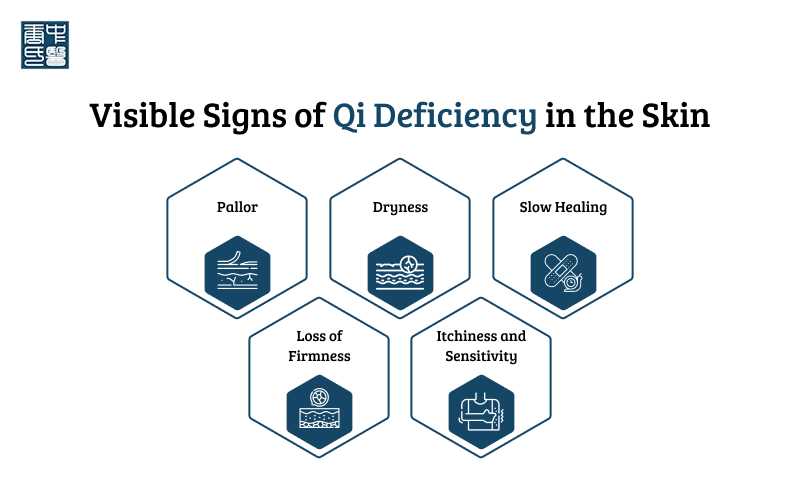
1. Pallor
A lack of Qi may cause the complexion to appear pale or dull, with little natural glow. Lips may lose their colour, whereas the skin can look washed out or lifeless. In TCM, this reflects insufficient nourishment reaching the skin tissues, often linked to weak circulation or poor transformation of nutrients.
2. Dryness
Deficient Qi hinders the flow of body fluids to the skin, causing it to lose hydration and suppleness. As a result, the skin may feel rough, tight, or flaky, sometimes accompanied by itchiness or fine lines associated with dehydration. This type of dryness suggests that the body’s internal moisture is not adequately supporting the skin barrier.
3. Slow Healing
Qi powers the body’s natural repair mechanisms. When deficient, cellular regeneration slows, causing small cuts, blemishes, or rashes to linger. Acne scars or wounds may take longer to fade, and the skin may remain marked for extended periods. This indicates that the body’s energy reserves are insufficient for timely healing.
4. Loss of Firmness
Reduced Qi flow means less stimulation of blood circulation and collagen formation, both essential for maintaining skin elasticity. Over time, the skin may appear looser or less resilient, reflecting diminished internal vitality and sluggish energy movement within the tissues.
5. Itchiness and Sensitivity
When Qi is weak, the defensive Qi (Wei Qi) that protects the skin becomes compromised. The skin may become more reactive to temperature changes, allergens, or environmental irritants, resulting in redness, itchiness, or frequent flare-ups. This heightened sensitivity signals that the skin’s outer barrier struggles to guard against external stressors.
What Are the Common Skin Conditions Caused by Qi Deficiency?
When Qi is stagnant, the skin loses nourishment and protection, leading to various chronic or recurring issues. In TCM, these conditions reflect underlying imbalances in meridian energy flow, blood circulation, and the body’s ability to defend itself against internal and external factors.
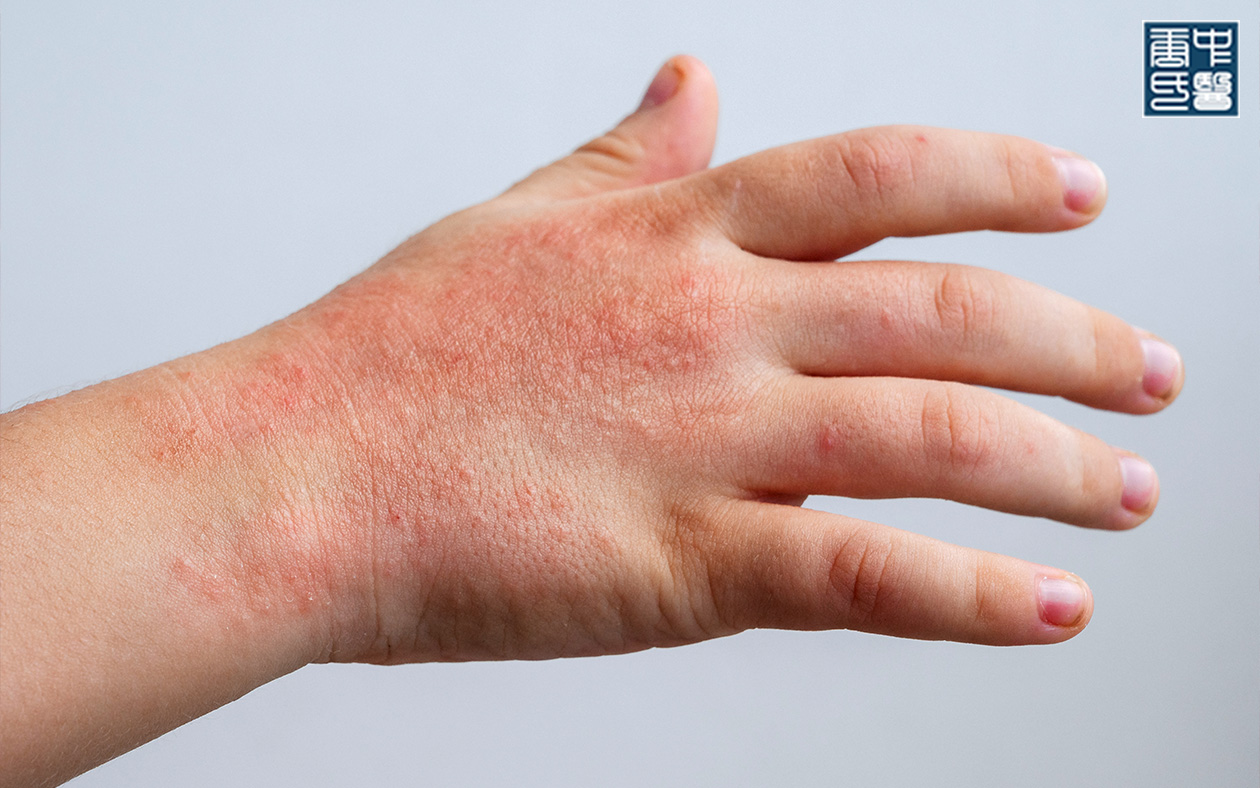
1. Eczema
Eczema is often linked to Qi and blood deficiency, which disrupts the transport of fluids and nutrients to the skin. This results in dry, itchy patches and redness that may worsen with fatigue or stress. Slow recovery between flare-ups can indicate that the body’s energy reserves are insufficient to repair the skin barrier effectively.
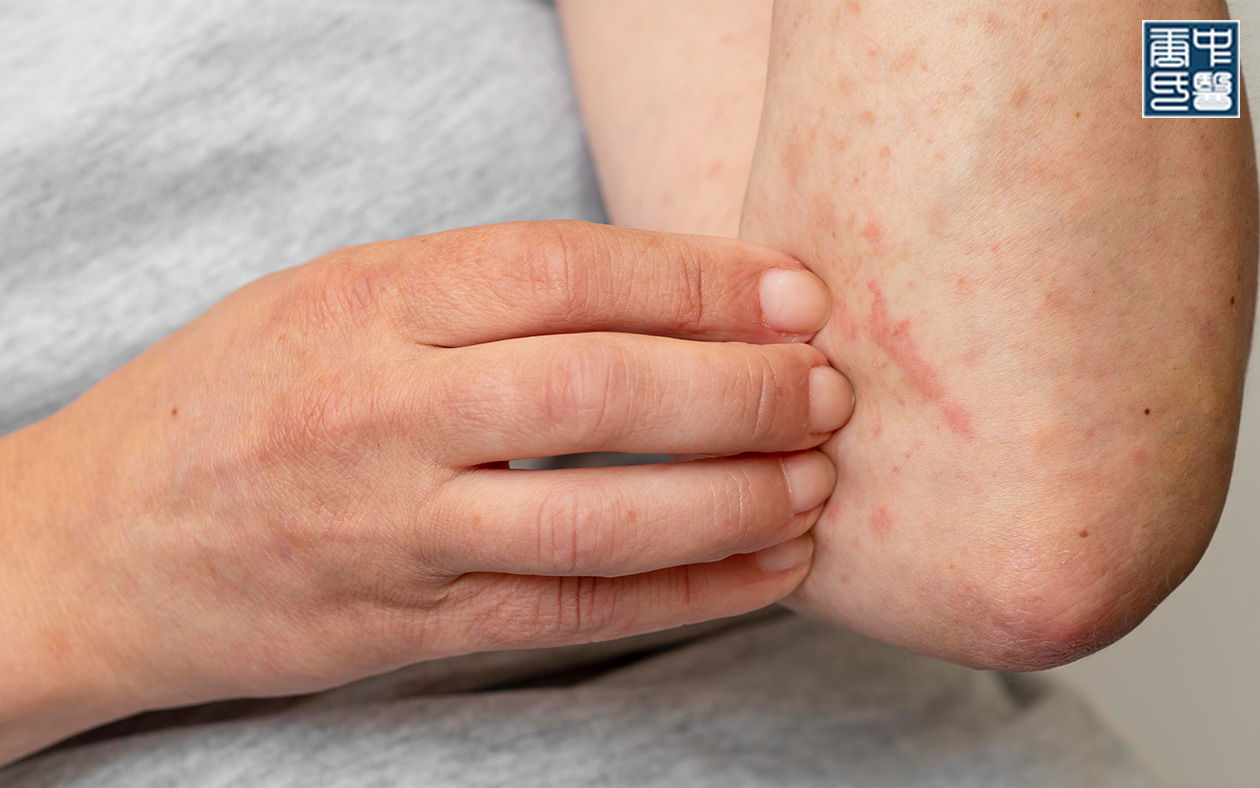
2. Hives
Frequent or recurrent hives are viewed as a sign that weakened Qi fails to protect the body from allergens or irritants. The skin becomes more reactive, producing raised, itchy welts that appear suddenly and fade slowly. A Chinese herbal formula for hives often aims to strengthen Qi while calming internal wind and heat, helping to stabilise the body’s response to triggers.
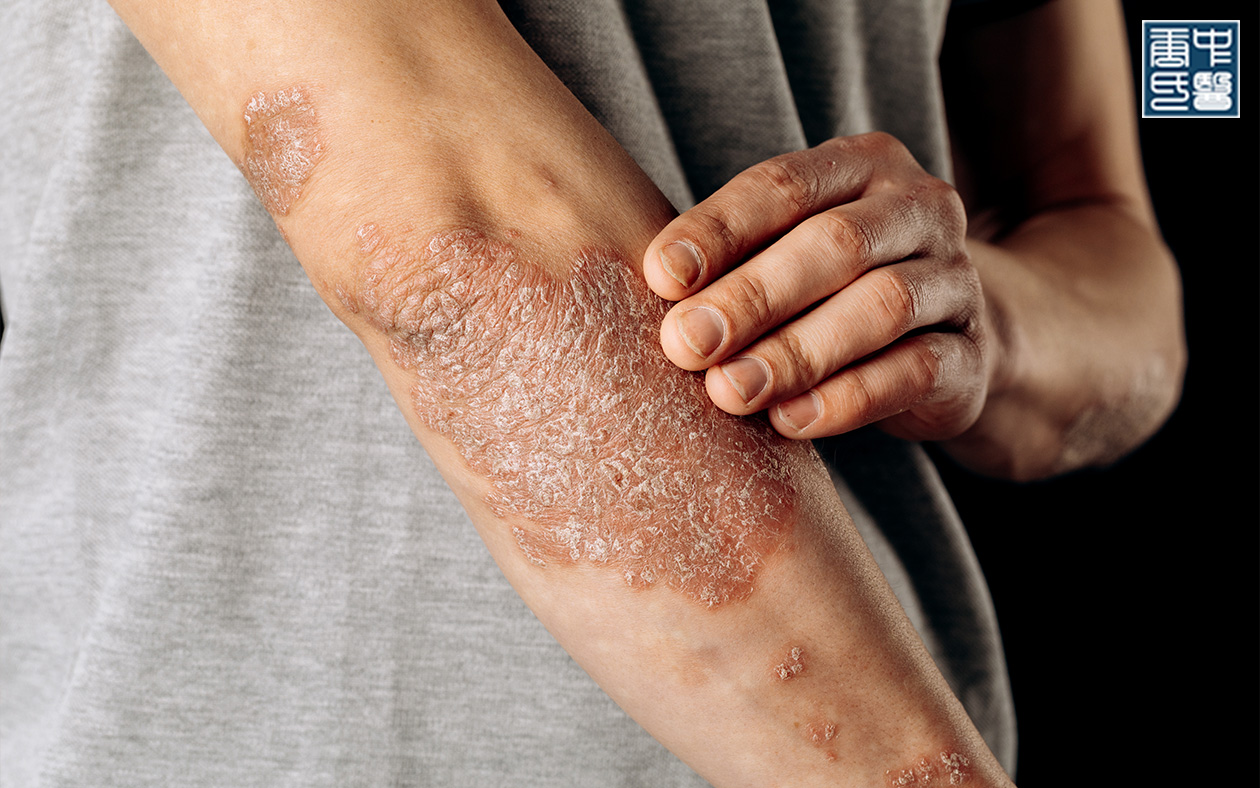
3. Psoriasis
From a TCM perspective, psoriasis is associated with Qi and blood stagnation, combined with internal heat or dryness. When the body’s energy flow slows, inflammation and dead skin cells accumulate, forming stubborn, scaly plaques. Restoring blood and Qi circulation through herbal therapy and acupuncture can support the clearing of stagnation and promote skin renewal over time.
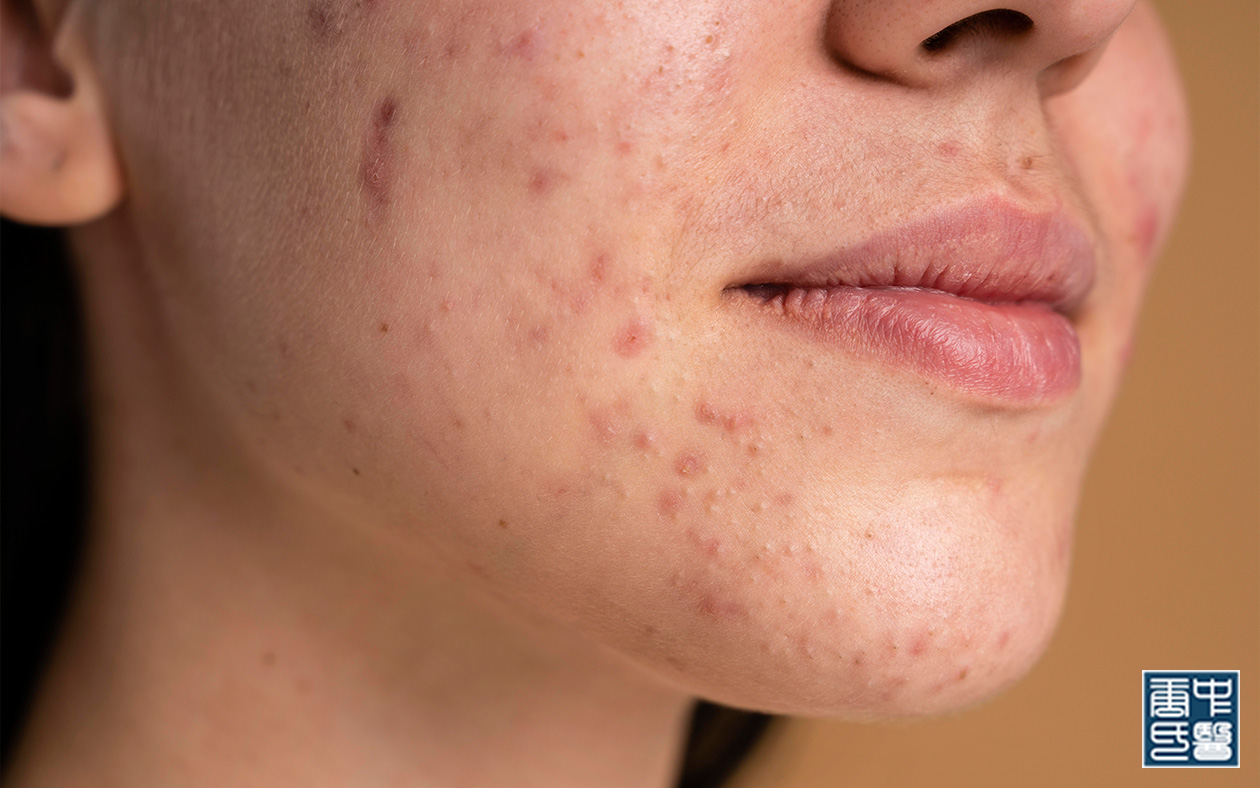
4. Acne
When it comes to TCM acne treatments in Singapore, poor Qi flow is seen as a contributing factor to toxin accumulation and sluggish healing. When Qi is deficient, the skin struggles to expel impurities, resulting in inflamed pimples that take longer to heal and are more likely to leave marks.
How TCM Diagnoses Qi Deficiency in Skin Issues
TCM practitioners assess Qi balance through observation and diagnostic tools that reveal both external and internal patterns of imbalance.
1. Pulse Diagnosis
A weak, thin, or empty pulse often suggests low Qi levels and reduced vitality, reflecting sluggish internal energy flow.
2. Tongue Signs
A pale tongue with a thin white coating may point to Qi and blood deficiency, indicating that the body is not circulating nourishment efficiently.
3. Symptom History
Fatigue, poor digestion, bloating, and frequent colds often accompany skin-related Qi deficiency, revealing systemic imbalance rather than an isolated skin issue.
How to Restore Qi for Healthier Skin
Replenishing Qi involves lifestyle, diet, and herbal strategies that promote vital energy flow, support digestion, and strengthen the body’s capacity to repair and protect the skin.
1. Herbal Therapy
Qi-tonifying herbs such as Huang Qi (Astragalus) and Ren Shen (Ginseng) are traditionally used to strengthen vitality, improve blood and Qi circulation, and reinforce the body’s natural defences. These herbs are often combined with others that clear heat or nourish the skin, helping restore internal balance that supports overall skin health.
2. Qi-Friendly Diet
A balanced diet that supports the spleen is key to generating and maintaining Qi. Warm, nourishing foods such as millet, sweet potatoes, chicken, and red dates help digestion and promote the smooth distribution of nutrients to the skin. Avoiding cold or raw foods may also help prevent further Qi depletion.
3. Lifestyle Adjustments
Gentle exercises such as Qi Gong or Tai Chi help stimulate meridian energy flow and reduce stagnation. Adequate rest and relaxation techniques, including meditation or breathing exercises, are also encouraged to preserve Qi and maintain emotional balance.
In essence, TCM views skin health as a reflection of internal harmony. By restoring Qi flow and circulation, supporting the spleen, and balancing internal energies, the body can gradually regain resilience. As such, skin may recover its natural tone, strength, and vitality.
Frequently Asked Questions
1. How can I tell if my skin problems are caused by Qi deficiency or another TCM imbalance?
A TCM practitioner can make an accurate diagnosis using pulse reading, tongue examination, and your overall symptom history. Some skin issues may also involve Yin deficiency, Blood deficiency, or Damp-Heat.
2. Can improving Qi levels restore healthy skin?
Yes. Strengthening Qi through herbal medicine, a Qi-friendly diet, and lifestyle adjustments can help improve circulation, skin hydration, and healing speed over time.
3. How long does it take to see skin improvements after boosting Qi?
This varies depending on the severity and how consistently you follow treatment. Some notice changes within weeks, while chronic conditions may require several months of care.
Conclusion
Skin symptoms often serve as an early indicator of Qi imbalance, signaling that the body’s internal energy and nourishment may need support. Rather than managing only the surface signs, TCM eczema treatments and other approaches in Singapore focus on identifying and addressing the underlying causes of these imbalances.
At Tangs Clinical TCM, treatments draw on a blend of clinical practice and research evidence to support each individual’s health needs and preferences. Using herbal blends that have been in clinical use since 1971 and studied over several decades, the approach focuses on supporting skin health and restoring balance for those experiencing Qi-related imbalances.
Contact us to learn how we can help support your skin recovery.