
How to Stop Eczema Itching at Night : A TCM-Inspired Approach
Key Takeaways:
Modern and TCM Approaches: How to Stop Eczema Itching at Night
- Address underlying TCM heat imbalance by supporting the body’s cooling processes before bed, such as drinking mild herbal teas and avoiding heat-generating foods.
- Follow essential eczema moisturising tips like applying ointment-based moisturisers and consider TCM topical formulas to hydrate and protect the skin.
- Lower bedroom temperature, use breathable bedding, and reduce allergen exposure to support nighttime eczema relief.
- Keep nails short, wear cotton gloves, and protect the skin barrier to limit external Wind penetration.
Introduction
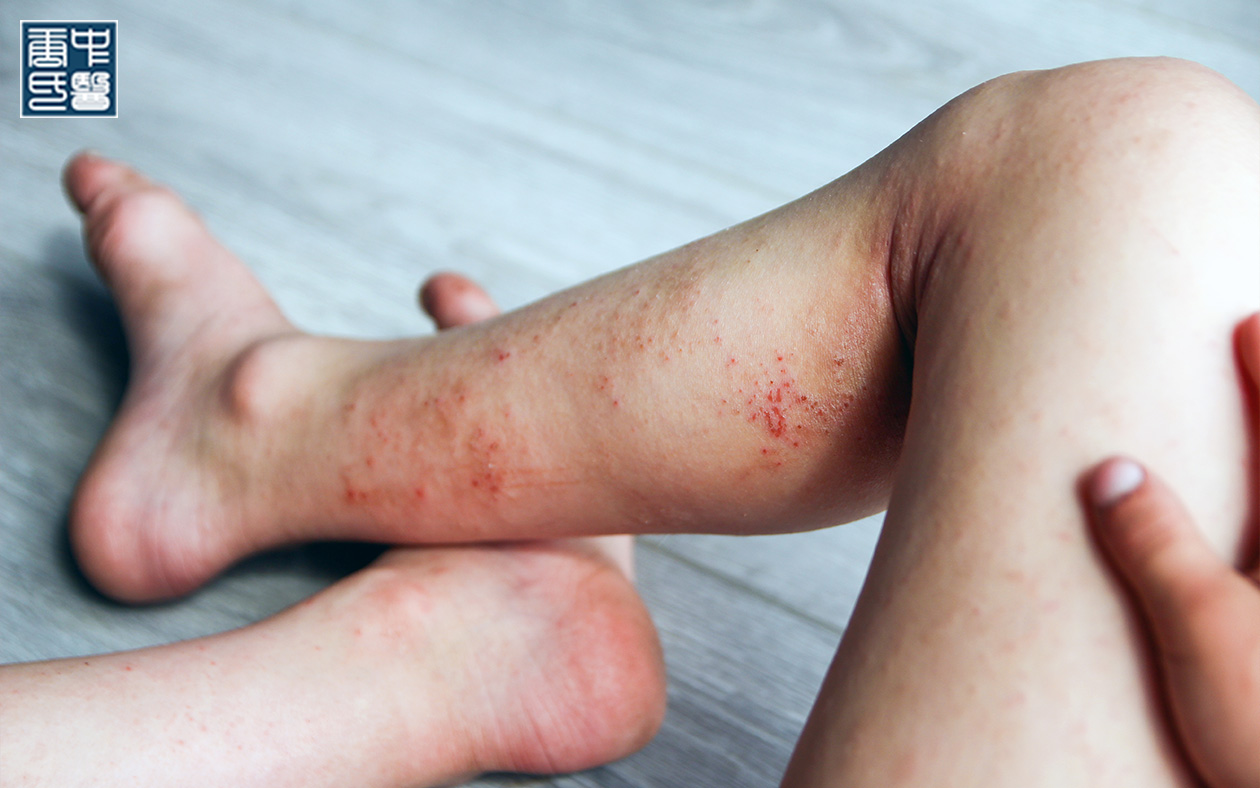
Nighttime eczema flare-ups can be one of the most frustrating parts of living with the condition. Imagine just as you’re ready to rest, the itching begins. To prevent the discomfort from disrupting your sleep, it’s important to look at both modern dermatological perspectives and the holistic insights of Traditional Chinese Medicine (TCM).
This article helps you understand how to stop eczema itching at night by identifying the root causes and daily triggers. Keep reading to reclaim a comfortable night routine and proper skin balance.
Why Nighttime Itching Happens
Before exploring how to stop eczema itching at night, let’s determine the factors that contribute to nighttime eczema flare-ups. From a biomedical point of view, the triggers may include changes in body temperature, a drop in skin moisture levels, exposure to allergens in bedding, and unconscious scratching during sleep.
In TCM, night itching often reflects internal imbalances such as Blood Heat, Yin Deficiency with Heat, or lingering Damp-Heat in the skin. As Yang energy naturally becomes more active at night and cooling Yin is less dominant, heat may accumulate in the body and surface as increased itching sensations. Recognising these patterns helps guide an appropriate nighttime eczema relief.
How to Manage Eczema Itching at Night
Managing eczema at night requires a two-fold approach: calming the immediate triggers that worsen itching and addressing the deeper imbalances contributing to your skin’s sensitivity. Below are several ways to address the issue by integrating modern care strategies with TCM treatments for eczema.
1. Balance Internal Heat Before Bed
TCM insights highlight the importance of supporting the body’s natural cooling processes before bedtime, as nighttime itching is often linked to excess internal heat or insufficient cooling Yin energy. Simple lifestyle adjustments that help regulate TCM heat imbalance can address one of the root causes of eczema itching and reduce nighttime flare-ups.
What You Can Do:
- Drink a cup of mild, cooling herbal tea such as chrysanthemum or mulberry leaf tea before bed (if suitable for your constitution).
- Limit spicy, greasy, or alcohol-heavy dinners, as these can generate internal heat and aggravate skin irritation.
2. Keep Skin Moisturised Overnight
Dry skin is a common trigger for eczema flare-ups, especially at night when the skin’s natural moisture levels tend to drop. Without adequate hydration, the skin barrier becomes more vulnerable to irritation, leading to increased itching and discomfort. From a modern medical perspective, those with the issue can apply a thick, ointment-based moisturiser about 30–60 minutes before bedtime. This eczema moisturising tip focuses on keeping the skin hydrated and strengthening its protective barrier.
On the other hand, TCM may recommend including topical herbal formulas in your skincare routine to help soothe the skin. At Tangs Clinical TCM, options such as Yufu Cream, Lite Balm, HLQ Ointment, and H2 Cream are used as part of eczema management plans. These preparations are formulated with botanical ingredients like Taraxacum Mongolicum, Camellia Sinensis, Houttuynia Cordata, and Radix Scutellariae. They come with cooling, moisturising, and protective properties.
These creams and ointments are applied directly over affected areas to help moisturise and protect the skin, including areas with exposed skin or wounds. As with any topical product, it’s best to seek professional advice from a TCM eczema clinic in Singapore to ensure suitability for your condition.
3. Maintain a Cool, Allergen-Free Sleeping Environment
The conditions of your bedroom may influence eczema flare-ups at night. Warm, stuffy air and common household allergens like dust mites are more likely to irritate sensitive skin and intensify itching, making restful sleep difficult. This explains the importance of creating the right sleeping environment. Lower the bedroom temperature by 3–5°C and use breathable cotton or bamboo bedding to help prevent overheating and minimise irritation.
From the TCM view, excess warmth may intensify Wind-Heat or Damp-Heat patterns, which are associated with flare-ups. A cooler room helps counteract these imbalances and prevents further irritation. As part of your efforts in how to stop eczema itching at night, you may also consider using dust-mite-proof covers and regularly washing bedding in hot water to reduce exposure to allergens.
4. Minimise Unconscious Scratching
Scratching is one of the biggest challenges in managing eczema itching at night. This unconscious scratching can make the skin more vulnerable to secondary infections and ongoing irritation, triggering a stronger inflammatory response. To reduce the risk, keep your nails short and consider wearing soft cotton gloves while you sleep.
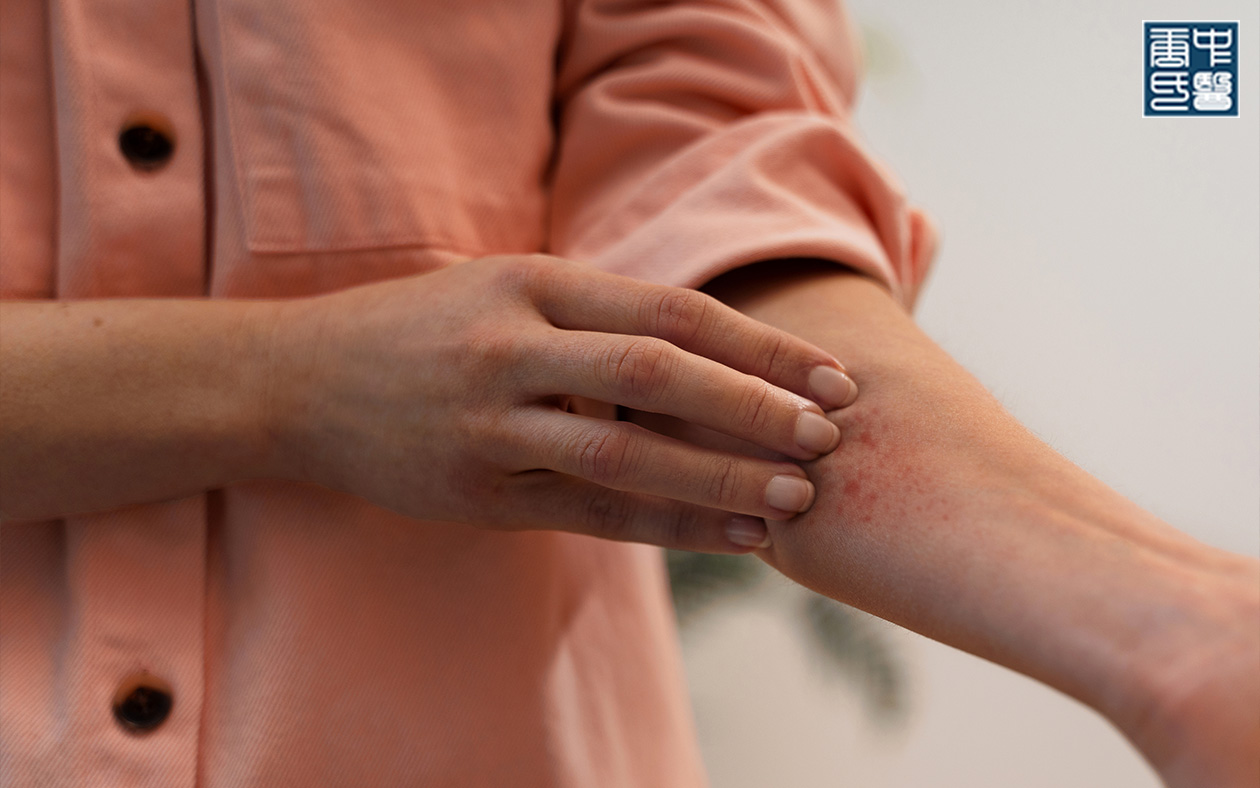
Meanwhile, in TCM theory, “Wind” is seen as an external pathogenic factor that can invade the body and disrupt the skin’s balance. It often manifests as itching, sudden flare-ups, or shifting skin lesions. A healthy skin barrier helps block these external influences, but persistent scratching can damage and weaken this protective layer. When this happens, Wind is more likely to penetrate deeper into the skin, causing flare-ups more resistant to healing. That’s why TCM emphasises preventing scratching as part of managing eczema.
Why Combine Modern Care with TCM Wisdom
Learning how to stop eczema itching at night should focus on understanding the impact of temperature, moisture, and internal balance on your skin’s condition. By blending modern care strategies with TCM principles, from balancing heat and moisturising the skin to preventing unconscious scratching, it is possible to approach eczema management in a way that addresses both surface symptoms and underlying imbalances.
In this context, consulting a TCM skin clinic in Singapore can offer personalised insights into managing eczema. At Tangs Clinical TCM, we integrate conventional skincare with modern methods to help address both surface-level symptoms and underlying imbalances.
Contact us for more information on Eczema treatments.


