
Chinese Medicine for Eczema: Can It Help, Does It Cure, and What Do Patients Actually Say?
Are you tired of dealing with persistent eczema symptoms that never seem to fully settle? Perhaps you have come across discussions about TCM treatment for eczema and started searching online to understand whether Traditional Chinese Medicine may help. Questions such as “Has anyone tried Chinese medicine for eczema?” are increasingly common among individuals seeking alternative ways to manage recurring flare-ups.
Traditional Chinese Medicine takes a broader view of eczema by considering factors such as body constitution, internal balance, lifestyle habits, and symptom patterns. Through therapies such as acupuncture, herbal medicine, and dietary guidance, TCM is commonly explored as a supportive approach for managing eczema symptoms and improving overall skin comfort.
Key Takeaways
- Traditional Chinese Medicine approaches eczema by looking at possible internal imbalances, lifestyle factors, and recurring symptom patterns rather than focusing only on visible skin symptoms.
- Common approaches used in TCM treatment for eczema may include acupuncture, herbal medicine, dietary guidance, and lifestyle adjustments based on the individual’s condition.
- Eczema symptoms can vary from person to person, which is why TCM consultations often involve assessing sleep, digestion, stress levels, and overall health alongside skin-related concerns.
- Many individuals exploring Chinese medicine for eczema are looking for a broader and more personalised approach to managing recurring flare-ups and skin discomfort over time.
Why Does Eczema Happen According to TCM?
In Traditional Chinese Medicine, eczema is often viewed as more than a surface-level skin concern. Practitioners generally assess how internal imbalances, lifestyle habits, emotional stress, and body constitution may contribute to recurring flare-ups, itchiness, redness, or skin irritation.
Rather than focusing solely on symptom suppression, a TCM cure for eczema is often discussed in terms of identifying underlying imbalance patterns that may affect the skin over time.
Spleen Deficiency and Dampness
TCM theory commonly associates the spleen and stomach with digestion and fluid regulation within the body. When these functions are weakened, dampness may accumulate internally.
This dampness is sometimes believed to contribute to symptoms such as weeping eczema, swelling, heaviness, or persistent itchiness. Eating habits such as excessive intake of oily, spicy, sweet, or processed foods are also commonly discussed as contributing factors in TCM.
Heat Accumulation in the Body
Heat-related patterns are frequently associated with redness, inflammation, warmth, or aggravated itching. In TCM, internal heat may develop from dietary habits, emotional stress, poor sleep, or prolonged imbalance within the body.
Some individuals may notice flare-ups becoming more active during periods of stress, in hot weather, or after consuming foods considered heat-inducing in TCM.
Liver Imbalance and Emotional Stress
Traditional Chinese Medicine often links emotional stress with the Liver system and the movement of Qi throughout the body. Ongoing stress, frustration, or emotional tension may disrupt this balance.
In some cases, stress-related imbalance may be associated with increased itching, disrupted sleep, or worsening flare-ups during emotionally demanding periods.
Blood Deficiency and Dryness
Dry, rough, or cracked skin may sometimes be associated with blood deficiency patterns in TCM. When the skin is not believed to receive sufficient nourishment internally, dryness and irritation may become more noticeable.
This pattern may be more commonly discussed in individuals with chronic eczema symptoms or recurring dry patches.
External Wind and Skin Sensitivity
In TCM, wind is often associated with symptoms that appear suddenly or move unpredictably, such as fluctuating itchiness or recurring flare-ups.
When wind combines with internal dampness or heat, it may contribute to sensitive, reactive skin patterns that are aggravated by environmental triggers, weather changes, or allergens.
How Do Qi and Blood Affect Skin Health in TCM?
In Traditional Chinese Medicine, healthy skin is often associated with the smooth circulation of Qi and Blood throughout the body. When these functions are balanced, the skin is believed to receive sufficient nourishment, moisture, and support for normal repair processes.
When imbalances develop, symptoms such as dryness, itching, redness, or recurring flare-ups may become more noticeable. This is one reason discussions of Chinese medicine for eczema often involve broader assessments beyond the skin.
Qi and the Body’s Protective Functions
Qi is commonly described in TCM as the body’s vital energy. It is believed to support circulation, warmth, and the body’s defensive functions.
When Qi circulation becomes disrupted or weakened, the skin may become more reactive to environmental triggers such as heat, dust, weather changes, or stress. Some TCM practitioners may also associate poor Qi movement with prolonged inflammation or recurring flare-ups.
Blood Nourishment and Skin Hydration
In TCM, blood is closely associated with nourishing and moistening the body, including the skin. When Blood deficiency patterns are present, the skin may appear dry, rough, flaky, or more prone to irritation.
Chronic scratching, poor sleep, stress, or long-term imbalance may gradually affect how well the skin is nourished internally, according to TCM theory.
The Relationship Between Qi, Blood, and Itching
Traditional Chinese Medicine often views itching as a sign that internal balance has been disrupted. When Qi and Blood are not circulating smoothly, symptoms may become more persistent or aggravated.
For this reason, TCM treatment for eczema may involve approaches that aim to support circulation, regulate internal balance, and address contributing patterns associated with the individual’s symptoms.
Why TCM Looks Beyond the Skin
Rather than viewing eczema only as a surface-level condition, TCM commonly considers factors such as digestion, sleep quality, emotional stress, and body constitution.
This broader perspective is one reason some individuals explore TCM discussions on curing eczema when looking for approaches that assess both visible symptoms and possible internal contributing factors.
Overview of TCM Patterns, Symptoms and Approaches for Eczema
TCM Etiology |
Presenting Symptoms |
Treatment Approach |
| Heat and Dampness |
|
Utilising herbs to cool the blood, clear heat, reduce inflammation, and eliminate excessive moisture in the skin. |
| Blood Heat |
|
Using herbs to nourish and invigorate the blood, cool and reduce heat, and making lifestyle adjustments to balance blood heat. |
| Wind-Dampness |
|
Dispel wind-dampness with herbal remedies, promote blood circulation, and applying topical treatments for skin relief. |
| Blood Stasis |
|
Using herbs to promote blood circulation, remove toxins from the body, and exercising to enhance blood flow and energy circulation. |
What Dietary Habits Does TCM Commonly Recommend for Eczema Management?
In Traditional Chinese Medicine, dietary habits are often discussed as part of a broader approach to managing eczema symptoms. Since TCM commonly associates skin health with internal balance, certain foods may be viewed as contributing to dampness, heat, or irritation within the body.
As part of TCM treatment for eczema, practitioners may provide dietary guidance based on the individual’s symptoms, body constitution, and overall health patterns.

Reducing Foods Commonly Associated With Heat
TCM theory often associates excessive spicy, oily, fried, or heavily processed foods with internal heat accumulation. In some individuals, these foods may be believed to aggravate redness, inflammation, or itchiness.
Alcohol and overly sweet foods may also be discussed depending on the individual’s presentation and symptom patterns.
Supporting Digestive Function in TCM
In TCM, the spleen and stomach are commonly viewed as important for transforming food into nourishment and regulating internal dampness. When digestion is weakened, dampness may accumulate and contribute to skin-related discomfort.
For this reason, some dietary recommendations may focus on lighter and more balanced meals that are easier to digest.
Paying Attention to Individual Food Triggers
Certain individuals may notice that specific foods appear to worsen their eczema symptoms. These triggers can vary from person to person and may include seafood, dairy products, spicy dishes, or heavily processed foods.
TCM consultations often consider these patterns alongside other factors such as sleep, stress, digestion, and overall body constitution when discussing Chinese medicine for eczema.
Maintaining Consistent Eating Habits
Irregular meal timings, overeating, or frequent late-night meals are sometimes viewed in TCM as factors that may affect digestive balance over time.
Maintaining regular eating habits and balanced nutrition may be discussed as part of supporting overall wellness and reducing strain on the body.
Why Diet Is Viewed as Part of a Broader TCM Approach
Traditional Chinese Medicine generally does not view eczema management as relying on a single food or dietary restriction alone. Instead, diet is often considered one component alongside acupuncture, herbal medicine, lifestyle habits, and overall internal balance.
This broader perspective is one reason some individuals exploring a TCM cure for eczema may also receive dietary and lifestyle guidance during consultation.
What Lifestyle Adjustments May Help Manage Eczema Symptoms?
Lifestyle habits are often discussed in Traditional Chinese Medicine as part of managing recurring eczema symptoms. Factors such as sleep quality, stress levels, daily routines, and environmental exposures may influence how often flare-ups occur and how uncomfortable symptoms are.
As part of TCM treatment for eczema, practitioners may recommend adjustments that support overall balance and reduce possible aggravating factors.

Managing Stress and Emotional Strain
Traditional Chinese Medicine commonly associates emotional stress with internal imbalance and disrupted Qi movement. Some individuals may notice that itching or flare-ups become more noticeable during stressful periods.
Stress management practices, such as regular rest, relaxation, and a balanced routine, may therefore be discussed during the consultation.
Maintaining Consistent Sleep Habits
Poor sleep may affect overall recovery and contribute to increased irritation or scratching, especially during nighttime flare-ups.
TCM practitioners often consider sleep patterns when assessing eczema symptoms, as disrupted rest may reflect broader imbalances within the body.
Reducing Exposure to Irritants
Environmental triggers such as heat, dust, harsh soaps, fragrances, or certain fabrics may aggravate sensitive skin in some individuals.
Lifestyle guidance may include identifying personal triggers and, where possible, reducing unnecessary skin irritation.
Avoiding Excessive Heat and Sweating
Some individuals notice worsening itchiness or redness after prolonged heat exposure or excessive sweating. In TCM theory, heat accumulation may contribute to aggravated skin discomfort.
Keeping the skin cool and avoiding overly warm environments may help reduce irritation for some people.
Supporting Long-Term Skin Care Habits
TCM generally approaches eczema management as an ongoing process rather than a short-term solution. Consistent skincare routines, balanced daily habits, and attention to overall wellbeing are often encouraged alongside other therapies.
These lifestyle considerations are commonly discussed together with acupuncture, herbal medicine, and dietary guidance as part of a broader TCM approach.
Can Chinese Medicine Cure Eczema? An Honest Perspective
Many people searching for long-term relief from recurring flare-ups eventually ask whether eczema can be fully cured. In Traditional Chinese Medicine, eczema is generally viewed as a condition influenced by multiple factors, including body constitution, stress, digestion, environmental triggers, and internal imbalances.
Because eczema can vary greatly among individuals, TCM practitioners usually avoid treating it as a condition with a single, universal solution or guaranteed outcome. Some individuals may experience periods where symptoms become less active or more manageable, while others may continue to experience recurring flare-ups influenced by lifestyle, stress, weather, or other triggers.
Instead of focusing solely on whether there is a complete cure, TCM consultations often focus on understanding symptom patterns, reducing aggravating factors, and supporting overall skin comfort and balance over time.
At Tangs Clinical TCM, some patients have shared their experiences of managing long-term eczema symptoms through ongoing care. You may read one such patient experience here:
• Eczema Testimony From Ms Lum, Singapore
As with many chronic skin conditions, responses and experiences can differ from person to person. A consultation allows practitioners to better understand the individual’s symptoms, history, and possible contributing factors before discussing a suitable care approach.
What Have Other Patients Experienced With TCM for Eczema?
Many individuals exploring eczema management often search online for real experiences before deciding whether to consult a TCM practitioner. Questions such as “Has anyone tried Chinese medicine for eczema?” are common, especially among people dealing with recurring flare-ups, itchiness, dryness, or long-term skin discomfort.
At Tangs Clinical TCM, patients who have visited the clinic for eczema-related concerns include children, adults, and seniors, with varying symptom patterns and durations. Some presented with dry and itchy skin, while others experienced oozing lesions, thickened skin, or widespread irritation affecting daily comfort and sleep.
You may read some of their case stories below:
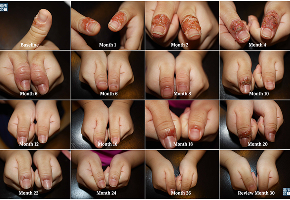
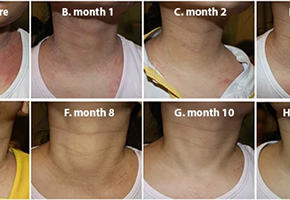
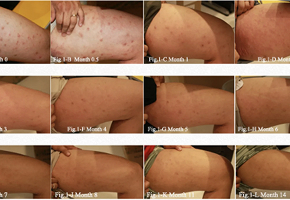
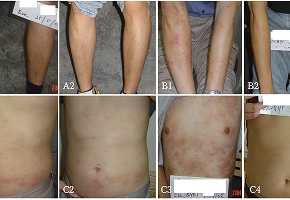
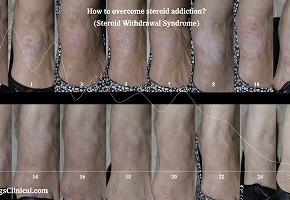
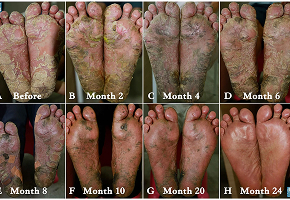
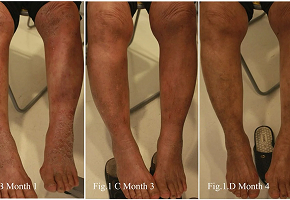
Each case reflects different symptom patterns, treatment durations, and personal experiences. Since eczema can vary significantly from person to person, TCM consultations generally focus on understanding the individual’s condition, lifestyle, and overall health patterns before discussing a suitable care approach.
FAQs about eczema
1. Is there a permanent eczema cure for tcm?
There is no permanent cure for eczema through conventional immunosuppressants. However, eczema can still be effectively managed through TCM therapy, and symptoms can be minimised through various TCM treatment modalities, allowing individuals to lead a better quality of life. We recommend working closely with a good TCM physician to develop a personalised treatment plan for eczema that suits your specific condition and needs.
2. Is eczema contagious?
Rest assured that eczema is not contagious. You cannot spread eczema through person-to-person contact.
3. What triggers eczema flare-ups?
Eczema affects individuals differently. So what causes your symptoms to flare up may not necessarily trigger someone else with the skin condition. Nevertheless, common triggers that cause eczema flare-ups include:
- Being exposed to something you are allergic to;
- Dry weather (low humidity);
- Fabrics or clothing material;
- Smoke and pollutants
- Specific chemical substances contained in detergents, makeup, skin care products, and soaps;
- Stress
4. How do I manage my eczema symptoms and flare-ups?
There are various ways to manage your eczema symptoms and flare-ups. Consult a TCM physician to learn more about the types of food to cut down on or avoid to prevent a flare-up. Beyond paying your TCM physician a visit, you can manage your condition independently by keeping your skin moisturised with a gentle moisturiser to reduce skin flaking and minimising your stress levels to avoid internal triggers like poor liver function, which can contribute to eczema flare-ups.
5. Which TCM is good for eczema?
In TCM, eczema is understood as a result of internal imbalances such as excess heat, dampness, or deficiencies in Yin and blood. A TCM approach may include herbal prescriptions, acupuncture, and dietary adjustments that correspond to the individual’s condition. Herbs are chosen according to each person’s TCM pattern, with the aim of easing symptoms like itching, dryness, or redness, and supporting the body’s natural balance over time.
6. What is the root cause of eczema in TCM?
From a TCM perspective, eczema arises when internal imbalances affect the flow of Qi and blood. Common root causes include excess heat, dampness, or deficiencies in Yin and blood, which can disrupt the skin’s nourishment and defence. External triggers such as diet, stress, or environmental factors may further aggravate these imbalances. Treatment in TCM focuses on identifying each person’s underlying pattern to help restore internal harmony and support healthier skin function.
Looking at Eczema Through a Broader TCM Perspective
Eczema can be influenced by many different factors, including stress, lifestyle habits, environmental triggers, and internal imbalance patterns. This is why approaches such as TCM treatment for eczema often involve looking beyond the skin itself and considering the individual’s overall health and symptom history.
For individuals exploring Chinese medicine for eczema, a consultation may provide further insight into potential contributing factors and the TCM approaches commonly used to support long-term eczema management.
If you would like to better understand your eczema symptoms from a TCM perspective, you may schedule a consultation with the team at Tangs Clinical TCM.


