
Understanding Two Different Types of Hives From a TCM Perspective: Acute vs Chronic
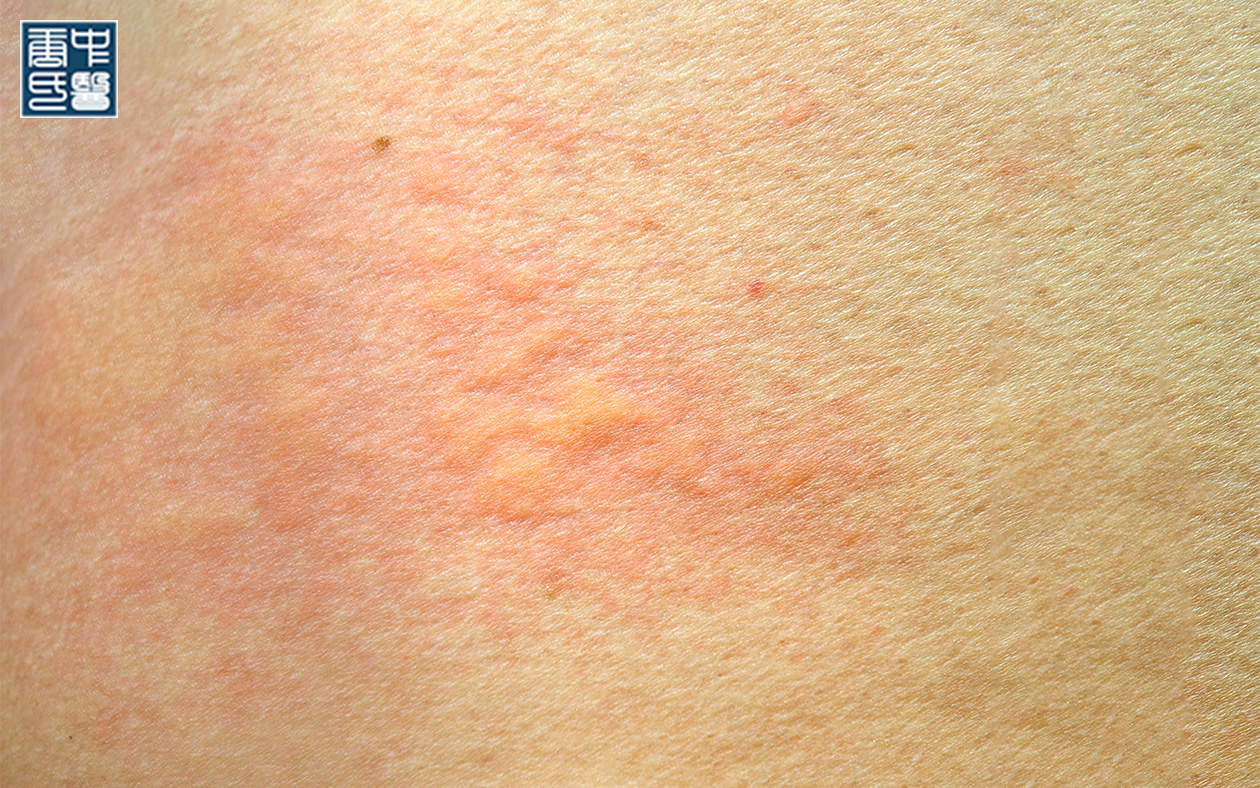
Key Takeaways:
How Does TCM Understand the Different Types of Hives?
- Acute and chronic hives differ in duration, triggers, and treatment approaches.
- Acute hives appear suddenly and resolve within six weeks, often linked to external factors like Wind-Heat or Wind-Cold.
- Chronic hives last longer and are tied to deeper issues such as blood deficiency, damp-heat imbalance, or Qi and Blood stagnation.
- TCM focuses on root causes, addressing internal imbalances rather than just symptoms for long-term relief.
- Personalised TCM treatments may include herbal formulas, diet, and lifestyle changes to manage flare-ups and restore balance.
Introduction
Hives, also known as urticaria, are itchy, raised welts that can appear anywhere on the body. They vary in size and may come and go unpredictably, often causing significant discomfort. While they may look similar on the surface, there are different types of hives with respective duration, causes, and approaches to management. The most notable ones are the acute and chronic hives.
In this article, we explore these two types from a Traditional Chinese Medicine (TCM) perspective and how understanding them can guide more targeted care.
How TCM Views Two Different Types of Hives: Acute vs Chronic
From a Western medical perspective, acute hives usually develop suddenly and last less than six weeks, often triggered by allergic reactions or infections. Chronic hives, on the other hand, persist for more than six weeks and may be linked to autoimmune conditions, chronic infections, or unknown causes.
In Traditional Chinese Medicine (TCM), hives are understood differently. Rather than categorising them solely by duration, TCM looks deeper into underlying imbalances, such as pathogenic wind, heat, dampness, or Qi and Blood imbalance. Identifying these patterns is key to selecting a TCM hive treatment in Singapore for both prevention and relief.
What You Need to Know About Acute Hives
Acute hives appear quickly, often within minutes to hours. They usually resolve in less than six weeks. Common triggers include allergic reactions to food or medication, insect bites, environmental allergens, or acute infections.
From a TCM perspective, acute hives are often linked to external pathogenic factors like Wind-Heat or Wind-Cold.
Wind-Heat Invasion
Characterised by bright red, itchy welts, sometimes accompanied by fever or a sore throat.
Wind-Cold Invasion
Presents as pale or pink welts that worsen with cold exposure, often with chills and less sweating.
Treatment Principle
The approach focuses on expelling Wind, clearing Heat (or warming in Wind-Cold cases), relieving itching, and restoring balance between Wei Qi (defensive Qi) and the skin. A prescribed Chinese herbal formula for hives may be used to help the body eliminate these pathogenic factors and restore harmony.
What You Need to Know About Chronic Hives
Among the different types of hives, chronic hives are characterised by flare-ups that occur almost daily for more than six weeks. They may persist for months or even years. Triggers can include autoimmune activity, chronic infections such as H. pylori, physical pressure, emotional stress, heat, or idiopathic (unknown) causes.
According to TCM principles, chronic hives usually stem from deeper internal imbalances rather than external causes. Common patterns seen in such cases include:
Blood Deficiency with Wind
Persistent pale or light red welts, often accompanied by dryness, dizziness, and poor sleep.
Damp-Heat Imbalance
This pattern is marked by recurrent red welts with swelling that tend to worsen in hot or humid conditions.
Qi and Blood Imbalance or Stagnation
Darker rashes that tend to flare up during stress or emotional upset.
Treatment Principle
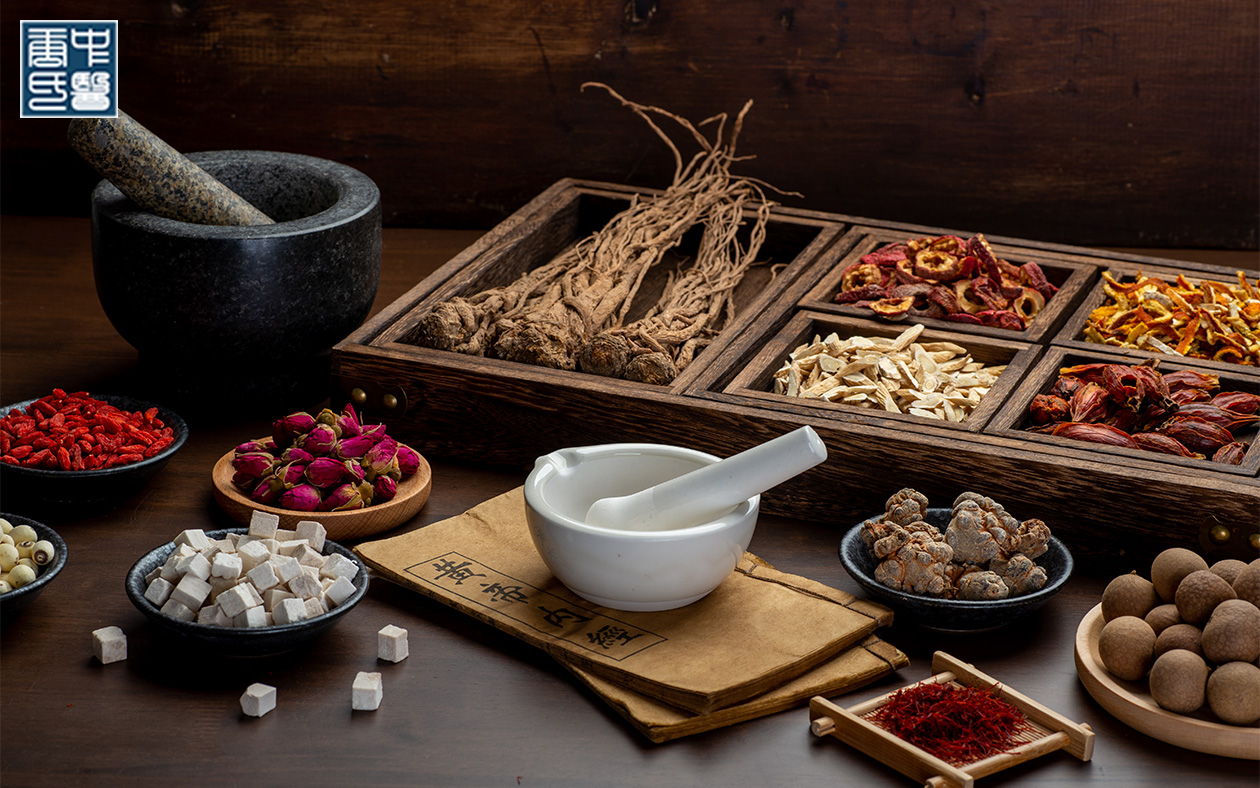
Management focuses on nourishing blood, expelling wind, draining dampness, and harmonising internal organs. Addressing these underlying causes helps reduce flare-ups and supports long-term balance. A personalised TCM treatment plan with herbal prescriptions, dietary recommendations, and lifestyle adjustments may help to strengthen the body and prevent recurrence.
Why the TCM Approach Differs
Unlike symptom-focused treatments, TCM approaches for hives look beyond the surface. The goal is not just to calm the skin but to identify and treat the root imbalances that make the body prone to recurring hives. For example:
- In acute cases, treatment may aim to clear external Wind and Heat.
- In chronic cases, it may target internal imbalances such as Qi and Blood deficiency or damp-heat accumulation.
This holistic understanding allows TCM practitioners to tailor treatment to each individual’s pattern, combining symptom relief with prevention strategies.
How TCM Helps to Restore Balance
Understanding the different types of hives is the first step toward the right management. By distinguishing acute vs chronic hives and addressing underlying causes such as damp-heat imbalance, TCM aims to restore internal harmony and reduce recurrence.
If you are experiencing recurring hives or seeking a more personalised urticaria treatment, consulting a TCM practitioner may help you better understand your body’s internal state and support your journey towards healthier skin.
At Tangs Clinical TCM, we address skin concerns like hives by viewing the body as an interconnected system. Treatment plans are tailored to each individual following a detailed assessment of their condition, constitution, and lifestyle.
Contact us to learn more about our approaches for managing hives.


